The Impact of Frictionless Living on Modern Health Behaviors and Eating Patterns
- Vansh Agrawal
- May 25
- 3 min read

Modern life has become defined by convenience. The rise of food delivery apps, grab-and-go meals, and algorithm-driven entertainment offers unprecedented ease in daily routines. Yet, this frictionless living quietly shapes health behaviors, often encouraging sedentary lifestyles and impulsive eating. Drawing from medical anthropology and public health research, this article explores how convenience culture acts as a social determinant of health, influencing nutrition inequality and health disparities in urban health settings.

Convenience Culture and Its Role in Modern Lifestyle and Health
Convenience culture refers to the widespread preference for products and services that save time and effort. In urban environments, this culture has transformed food systems and daily habits. Food delivery culture exemplifies this shift: apps allow users to order meals with a few taps, bypassing traditional cooking or grocery shopping.
While this seems beneficial, public health research highlights unintended consequences. Many delivered meals are ultra-processed foods high in sugars, fats, and sodium. These processed foods contribute to unhealthy habits society struggles with, such as overeating and poor nutrition. The ease of access to such meals encourages impulsive eating patterns, often disconnected from hunger cues or nutritional needs.
Medical anthropology helps explain how cultural influences on health shape these behaviors. The normalization of convenience in food choices reflects broader social values prioritizing speed and efficiency over mindful eating. This shift affects not only individual health but also community well-being, as nutrition inequality grows between those who can afford healthier options and those who rely on cheaper, processed alternatives.
Sedentary Lifestyle and Time-Optimized Living
Frictionless living extends beyond food. Algorithm-driven entertainment platforms curate content to maximize user engagement, often encouraging prolonged screen time. This contributes to a sedentary lifestyle, a key factor in many chronic health conditions.
Time-optimized lifestyles, where every minute is scheduled or automated, leave little room for physical activity or meal preparation. People increasingly rely on ready-made meals or snacks, reinforcing dependence on processed foods. Urban health studies show that these patterns are linked to rising rates of obesity, diabetes, and cardiovascular diseases.
The social determinants of health framework reveals how convenience culture intersects with socioeconomic status. Lower-income populations often face greater barriers to accessing fresh foods and safe spaces for exercise, deepening health disparities. Public health research calls for interventions that address these structural issues rather than focusing solely on individual behavior change.

Food Systems and the Rise of Ultra-Processed Grab-and-Go Meals
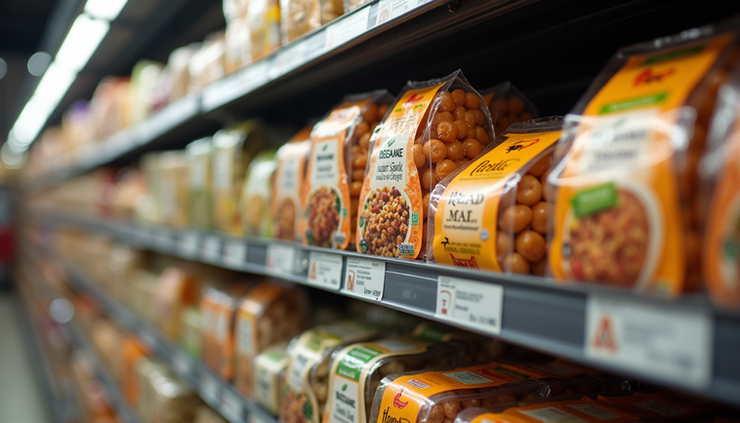
The transformation of food systems under convenience culture has led to the proliferation of ultra-processed grab-and-go meals. These products are designed for quick consumption and long shelf life but often lack essential nutrients.
Studies in medical anthropology examine how these foods fit into daily routines and cultural practices. For many, these meals are not just about convenience but also about coping with time pressures and work demands. However, reliance on such foods can exacerbate nutrition inequality, as healthier options remain less accessible or affordable.
Public health research emphasizes the need for policies that promote healthier food environments. Examples include urban agriculture initiatives, subsidies for fresh produce, and regulations on marketing processed foods. These efforts aim to reshape food systems to support better health outcomes across diverse populations.
Addressing Health Disparities Through Awareness and Action
Understanding the impact of frictionless living on health behaviors requires a multidisciplinary approach. Medical anthropology provides insights into how cultural norms and social structures influence choices. Public health research offers data on outcomes and effective interventions.
Students and professionals interested in urban health and social determinants of health can contribute by:
Advocating for equitable food access in city planning
Supporting community programs that encourage physical activity
Promoting education on nutrition and mindful eating
Researching the effects of convenience culture on different populations
By recognizing convenience as a social determinant of health, society can work toward reducing health disparities and fostering environments that support wellness.


Comments